How to Care for Vintage Clothing: Cleaning, Storage, and Preservation
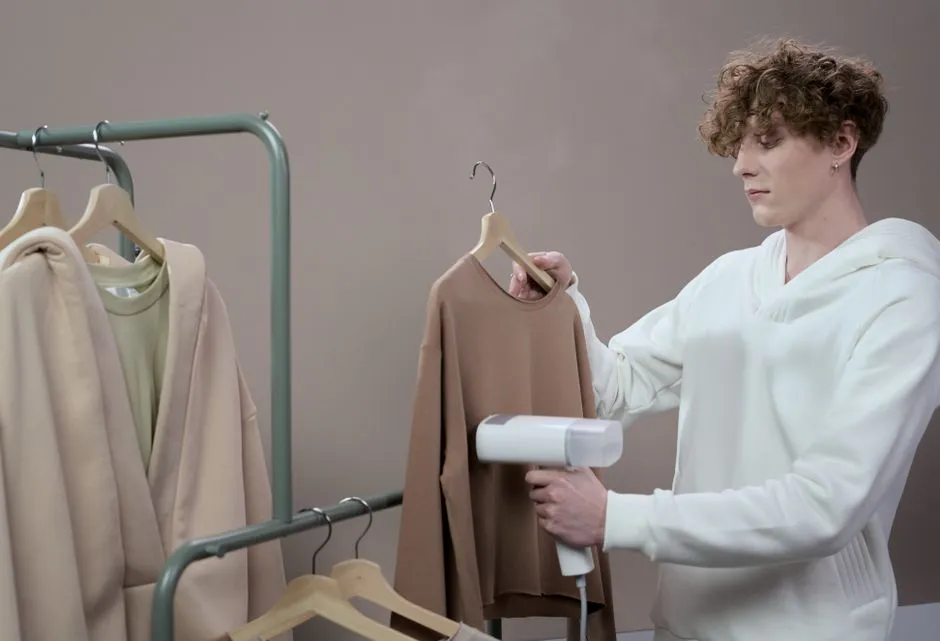
- Caring for vintage clothing, in one line
- Start by reading the garment, not washing it
- Clean as little as possible, as gently as possible
- Store it right — storage is where most damage happens
- Fight the four things that actually destroy vintage
- When to stop and call a professional
- A simple maintenance rhythm
Caring for vintage clothing, in one line
The single most important rule of vintage care is to do less, and do it gently: clean infrequently and by the least aggressive method that works, store pieces in a stable, dark, breathable environment, and treat original fibers, dyes, and finishes as irreplaceable. A garment that has already survived 40 or 80 years does not need to be made to look new — it needs to be kept from breaking down. Everything below is an expansion of that principle, organized the way you actually encounter a piece: first you assess it, then you clean it, then you store it, then you deal with the specific enemies that destroy old clothing.
Care advice always depends on material, age, and condition. When a piece is valuable, fragile, or irreplaceable, test any product on a hidden seam allowance first, or hand it to a textile conservator or specialist cleaner. The cost of a mistake on vintage is total: you cannot re-buy the exact piece.
Start by reading the garment, not washing it
Before any water, solvent, or brush touches a vintage piece, spend five minutes assessing it. This one habit prevents most of the damage people accidentally cause.
Check, in order:
- The care label, if one exists. Garments made before roughly the early 1970s often have no care label at all, because care labeling was not standardized in the US until the FTC's care-labeling rule took effect in 1972. No label means you are reading the fabric yourself.
- Fiber content. Silk, wool, rayon (viscose), acetate, and early synthetics all behave differently in water. Rayon and acetate in particular can shrink, water-spot, or lose their finish alarmingly fast.
- Construction and trims. Water-soluble interfacing, glued-on beading, metal zippers prone to rust, and non-colorfast dyes are all reasons to keep a piece dry.
- Existing damage. Underarm degradation, dry-rotted silk that splits when flexed, and moth grazing all mean the fabric is weak and cannot survive agitation.
A quick fiber cheat-sheet
| Fiber | Home-wash risk | Default approach |
|---|---|---|
| Cotton / linen | Low–moderate | Cool hand-wash, air dry; watch for weak seams |
| Wool / cashmere | Moderate (shrink, felt) | Cool hand-wash or professional clean; never wring |
| Silk | Moderate–high | Spot clean or specialist; water can ring-mark |
| Rayon / viscose | High (shrink, distort) | Usually professional; test first |
| Acetate | High (water spots, solvent-sensitive) | Professional only |
| Beaded / sequined | High | Spot clean only; never immerse |
If you are unsure of the fiber, a discreet burn test on a loose thread from a seam allowance can help identify it — but only do this away from the garment and only if you are confident handling it. Protein fibers (wool, silk) smell of burning hair and self-extinguish; cellulose fibers (cotton, linen, rayon) smell of burning paper and leave soft ash; most synthetics melt into a hard bead. It is a rough test, not a definitive one, so treat the result as a strong hint rather than proof.
One more assessment habit worth building: photograph a piece before you clean or store it, including close-ups of any existing damage, labels, and construction details. If something goes wrong later — a color shift, a new stain, a seam that opens — you'll know whether you caused it, and the record is useful for insurance, resale, and dating the garment.
Clean as little as possible, as gently as possible
Every cleaning cycle costs a vintage garment something: fiber strength, dye saturation, or original finish. The goal is to clean only when genuinely necessary and to reach for the mildest effective method.
The escalation ladder
Work from the top down and stop as soon as the problem is solved:
- Air it out. Most "it smells musty" cases are odor, not dirt. A day on a padded hanger in shade with moving air resolves a surprising amount.
- Spot clean. Address a single stain or area with a barely-damp cloth and, if needed, a tiny amount of pH-neutral soap. Blot; never rub.
- Hand wash. For sturdy, colorfast, washable fibers only. Cool water, a capful of gentle detergent, a few minutes of soaking, minimal agitation.
- Professional / specialist cleaning. For structured pieces, silk, beading, tailoring, and anything valuable or uncertain.
Hand washing without wrecking it
When a piece is genuinely washable:
- Use cool water (warm water sets some stains and shrinks wool).
- Choose a pH-neutral or wool-specific detergent, not standard laundry powder with brighteners or enzymes.
- Do not wring or twist. Press water out, then lift the garment supporting its full weight so it doesn't stretch.
- Dry flat on a towel for knits and anything that can stretch; hang only sturdy wovens, on a padded hanger, out of direct sun.
- Roll, then reshape. For knits, roll the garment in a dry towel to blot excess water before laying it flat, and gently pat it back to its original measurements while damp.
Two stubborn myths worth retiring: heat does not "help" vintage, and neither does more detergent. Hot water and hot dryers shrink and felt natural fibers and set stains you were trying to lift; a heavy dose of detergent leaves residue that attracts dirt and can dull dyes. Less product, cooler water, and air drying beat their aggressive opposites almost every time.
About dry cleaning
Dry cleaning is not automatically safe for vintage — the solvent and mechanical agitation can strip finishes, dull dyes, and dislodge fragile trims. Seek out a cleaner who explicitly advertises experience with vintage or couture garments, point out fragile areas, and ask them to clean gently and hand-finish. For age stains and old perspiration marks specifically, see our dedicated walkthrough on removing yellow age stains from vintage before you let any cleaner apply heat, which permanently sets that yellowing.
Leather, suede, and structured bags follow entirely different rules — never treat them like fabric. Our guide to cleaning and conditioning vintage leather covers what solvents and conditioners are safe and which ones crack or darken old hides.
Store it right — storage is where most damage happens
Most vintage doesn't die on a person or in the wash. It dies slowly in storage, from light, humidity, pests, and pressure. Good storage is cheap insurance.
The four storage principles
- Dark. Light, especially UV, fades dyes and weakens fibers. Store away from windows and never under direct or strong artificial light.
- Cool and stable. Aim for a stable temperature and around 45–55% relative humidity. Swings matter more than the exact number; attics and basements are the classic killers because they cycle hot/cold and damp/dry.
- Breathable. Fibers need air. Never seal vintage in plastic — dry-cleaning bags and airtight bins trap moisture and off-gas, causing yellowing and mildew.
- Supported. Weight is the enemy of old fibers. Heavy or bias-cut pieces should be folded and boxed flat, not left hanging to stretch and tear at the shoulders.
Hanging vs. folding
| Store this way | Best for | Watch out for |
|---|---|---|
| Padded hanger | Sturdy jackets, coats, structured wovens | Wire hangers (rust, distortion) |
| Folded, flat, boxed | Knits, silk, beading, bias-cut, heavy pieces | Hard creases — pad the folds |
| Never | Beaded gowns on hangers, wet garments anywhere | Weight tearing seams; mildew |
Practical materials that pay off:
- Acid-free tissue to pad folds and fill sleeves and bodices, so creases don't become permanent cracks.
- Acid-free boxes or clean cotton for long-term flat storage.
- Washed, undyed cotton sheets or muslin as breathable garment covers — a cheap alternative to plastic.
- Cedar or lavender as a moth deterrent, kept from touching the fabric directly.
Handbags and structured leather goods have their own storage needs — stuffing to hold shape, dust bags, and humidity control. We cover that in detail in how to store leather handbags so they don't crease, sag, or grow mold.
Fight the four things that actually destroy vintage
Moths and other pests
Clothes moths eat protein fibers — wool, cashmere, silk, fur, and feathers — and they target soiled areas, because sweat and food residue are what the larvae feed on. Prevention is straightforward:
- Store clean. Invisible perspiration and body oils are what draw them; a garment that looks fine can still be a target.
- Freeze suspect pieces. Sealed in a bag, 72 hours at freezing temperatures kills larvae and eggs on smaller items.
- Deter, don't just mask. Cedar and lavender help but fade; refresh them. If you find live infestation, isolate the piece immediately.
Humidity, mildew, and mold
Damp is the fastest route to permanent staining and that unmistakable musty smell. Keep humidity in the 45–55% band, use silica gel or a dehumidifier in problem rooms, and never store anything even slightly damp. Once mildew stains set into a fiber they are often permanent, so prevention beats treatment.
Light
Fading is cumulative and irreversible. A dress displayed on a wall or a bag left on an open shelf near a window will visibly lose color over months to years. If you display vintage, rotate pieces and keep them out of direct sun.
Sweat, deodorant, and age yellowing
The yellow-brown stains that appear at underarms and along folds are often oxidized body oils and aluminum-based antiperspirant residue, and heat sets them permanently. This is why you clean before long storage and never iron or hot-press a yellowed area hoping to freshen it.
When to stop and call a professional
Doing it yourself is right for most everyday vintage. Bring in a specialist — a couture-experienced cleaner or a textile conservator — when the stakes or the fragility are high:
- High monetary or sentimental value — designer, couture, or a family piece you can't replace.
- Fragile or degrading fibers — silk that splits, dry rot, heavy beading, or metallic threads.
- Structured tailoring — canvassed jackets and coats that home washing would deform.
- Active problems — mold, live moth infestation, or a set stain you can't safely test on.
As a rough guide, a specialist vintage or couture cleaning typically runs from $30 to well over $100+ per piece depending on complexity, and textile conservation for a museum-grade item costs considerably more; prices vary widely by region and by the work involved. Weigh that against the piece's value and irreplaceability — for anything four figures or heirloom, it is cheap insurance.
If you're building a wardrobe of pieces worth this level of care, our guide on how to start a vintage collection covers choosing pieces whose condition and construction will actually reward the effort — and browse the full care and repair section for material-specific fixes.
A simple maintenance rhythm
You don't need a routine that's hard to keep. A light, consistent one preserves more than an intense one you abandon:
- After each wear: air the piece, brush wool gently, spot-treat anything fresh before it sets, and let it rest a day before returning it to storage.
- Seasonally: inspect stored pieces for pests and damp, refresh cedar or lavender, and rotate anything on display.
- Before long storage: clean, dry fully, pad with acid-free tissue, and box or cover in breathable cotton.
Get those three habits right and you've done 90% of vintage care. The garment survived this long on its own construction; your job is mostly to stay out of its way and keep the slow enemies — light, damp, pests, and heat — from finishing what time started.