How to Spot Fake Designer Clothing: 12 Tells That Give Counterfeits Away
- Start With the Tells That Are Hardest to Fake
- 1. Read the Stitching Before Anything Else
- 2. Weigh and Handle the Fabric
- 3. Scrutinize the Logo and Monogram Alignment
- 4. Inspect the Hardware Weight and Finish
- 5. Study the Main Label and Its Font
- 6. Cross-Check Any Serial or Style Numbers
- 7. Verify the Care Label and Fiber Content
- 8. Look at the Lining and Interior Finishing
- 9. Check Buttons, Rivets, and Engraving Up Close
- 10. Confirm Packaging, Tags, and Dust Bags — Carefully
- 11. Interrogate the Price and the Provenance
- 12. Compare Against a Verified Authentic Reference
- Real vs. Fake: A Quick Cheat-Sheet
- How Much Does Professional Authentication Cost?
- A Realistic Workflow for Judging a Garment
Start With the Tells That Are Hardest to Fake
Most counterfeit designer clothing gives itself away not in one dramatic flaw but in a stack of small ones — a stitch count that's off, a label font that's a hair too bold, a zipper that feels light in the hand. No single check proves a garment is real. What builds a reliable judgment is a cluster of tells that all point the same direction, cross-referenced against a known-authentic reference.
Be honest with yourself about what you're doing: authentication is probabilistic, not certain. Counterfeiters study the same guides you do, and the best "super fakes" now copy stitching, hardware, and holograms convincingly enough to fool experienced eyes on a phone screen. Treat the tells below as evidence that shifts the odds, not as a lie detector. For a four- or five-figure purchase, budget for a paid, independent professional authentication before money changes hands.
Here are the twelve things trained eyes check first, roughly in the order that catches the most fakes.
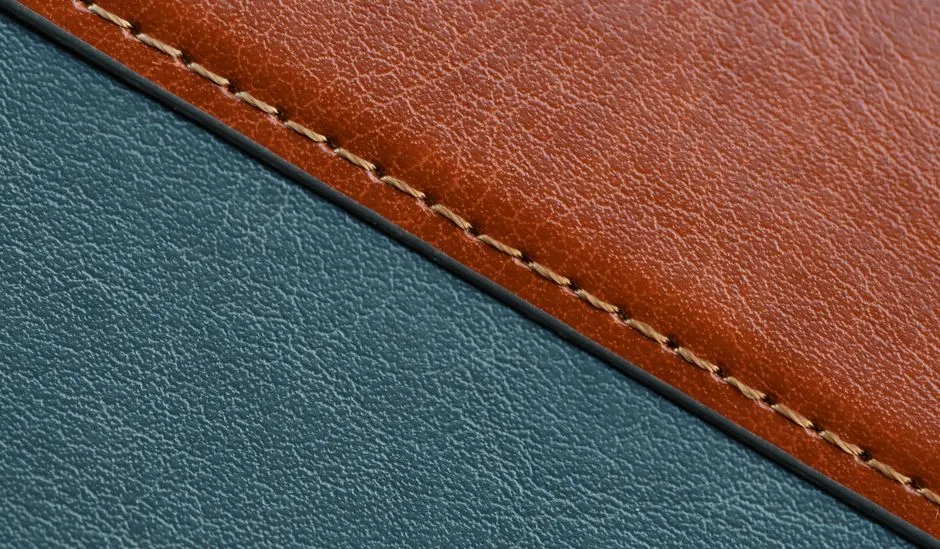
1. Read the Stitching Before Anything Else
Stitching is where cost-cutting hides, and it's the first thing an authenticator inspects. Luxury houses run consistent stitch density — often 8 to 12 stitches per inch on garment seams — with even tension and no puckering. Fakes tend to show:
- Uneven stitch length that wanders within a single seam
- Loose threads, skipped stitches, or backtracking that overshoots
- Crooked topstitching that drifts away from an edge
- Glue used where stitching should be (peel-look at a bonded hem)
Turn the garment inside out. Real luxury is often cleaner inside than budget clothing is outside. Seam allowances are finished — overlocked, bound, or French-seamed — not left as raw fraying edges.
2. Weigh and Handle the Fabric
Authentic designer garments use better cloth, and it announces itself. Silk has a specific cool, dense drape; heavyweight wool has body; a good cotton poplin has a crisp hand. Counterfeits cut the fabric budget first, so fakes frequently feel thin, slippery, staticky, or plasticky. If a "cashmere" sweater feels scratchy or a "silk" blouse feels like polyester, trust your hands. The fiber content on the care label should match what you're feeling — and if it doesn't, that mismatch is itself a tell.
3. Scrutinize the Logo and Monogram Alignment
Logos are where brands are most exacting and forgers most exposed. Check:
- Pattern matching at the seams. A monogram or stripe should line up across a seam on a real piece. Fakes often let the pattern jump or run off-center because matching wastes fabric.
- Logo proportions. Compare letter spacing, thickness, and the shape of specific characters against an authenticated reference image — the crossbar on an "A," the loop on a "G," the gap in a monogram.
- Placement. Logos sit in house-standard positions. An emblem that's too high, too low, or off-axis is a red flag.
Counterfeiters frequently get a logo almost right, which is why side-by-side comparison beats memory.
4. Inspect the Hardware Weight and Finish
Zippers, buttons, buckles, and rivets are expensive to make well, so they're a reliable fault line. Authentic hardware is substantial and cool to the touch, with crisp, evenly applied engraving and a durable plating that doesn't flake. Common fake tells:
- Lightweight, hollow-feeling metal
- Engraving that's shallow, smudged, or slightly misspelled
- Plating that's already chipping at edges
- Generic zipper pulls where a branded one belongs (check the underside of the zipper pull and the back of the slider for maker marks like Lampo, Riri, or a house stamp)
Zippers should glide. A zipper that catches or feels flimsy on a "luxury" garment is telling you something.
5. Study the Main Label and Its Font
The neck or waist label is a dense information source. On an authentic piece the weave is tight, the text is sharp, and the typeface exactly matches the house standard for that era. Watch for:
- Blurry, pixelated, or slightly-wrong fonts
- Off colors or a label that's printed where it should be woven
- Crooked or loosely attached labels
- Spelling errors (rare on genuine, more common on fakes than you'd expect)
Because houses change their labels over time, a label's style also helps date a piece — the same skill covered in more depth in our guide on how to date vintage clothing by label.
6. Cross-Check Any Serial or Style Numbers
Many designer garments carry internal style codes, RN numbers (in the US), or care-label reference numbers. These aren't a magic authenticity stamp, but they can be cross-checked. A serial that doesn't match the format the house uses, or a "date code" whose structure is wrong for the claimed year, is a meaningful strike against a piece. Bags rely on this even more than clothing does — we break the systems down in designer bag serial numbers and date codes, explained.
7. Verify the Care Label and Fiber Content
Genuine care labels are specific, correctly formatted for their market, and consistent with the garment. Look for the right language(s) for the region of sale, standard care symbols rendered cleanly, and a fiber breakdown that's plausible for the piece. Vague content ("100% textile"), missing legally required information, or symbols that are slightly malformed all point toward a counterfeit or an unauthorized production run.
8. Look at the Lining and Interior Finishing
Interiors reveal build quality because forgers assume no one looks. On authentic pieces, linings are fully attached, cleanly finished, and made of quality material; interfacing lies flat; and there are no exposed raw edges or hot-glue seepage. Bubbling, wrinkling, or a lining that's a cheaper fabric than the shell is a warning sign.
9. Check Buttons, Rivets, and Engraving Up Close
Branded buttons are often overlooked by copiers. Real ones are weighty, the engraving is centered and legible, and the shank or attachment is secure. Zoom in with your phone camera: shallow, off-center, or misspelled engraving is a giveaway. On denim and outerwear, branded rivets and shank buttons should carry a clean, correct maker's mark.
10. Confirm Packaging, Tags, and Dust Bags — Carefully
Authentic hang tags, price tags, dust bags, and boxes have consistent printing, correct logos, and quality materials. But treat packaging as weak evidence: it's cheap to counterfeit and easy to mismatch with a genuine item (or a genuine dust bag reused around a fake). Good packaging supports an already-strong case; it never rescues a garment that's failing the stitching, hardware, and label checks.
11. Interrogate the Price and the Provenance
If a current-season designer piece is 80% off from an unknown seller, the likeliest explanation is that it isn't real. Ask where it came from, request proof of purchase or original receipts, and read seller reviews. A legitimate reseller can usually explain a garment's history. This is also why where you shop matters as much as what you inspect — start from our guide to where to buy authentic vintage designer clothing to stack the odds in your favor before you ever examine a stitch.
12. Compare Against a Verified Authentic Reference
The single most powerful move is comparison. Pull up official brand imagery, or a piece you know is genuine, and check the questionable item point by point: font, hardware, stitch density, label, proportions. Discrepancies that are invisible in isolation jump out side by side. When stakes are high, the same disciplined, whole-object approach used for bags applies — see how to authenticate a designer bag for the step-by-step inspection method.
Real vs. Fake: A Quick Cheat-Sheet
| Feature | Authentic | Likely Counterfeit |
|---|---|---|
| Stitching | Even, ~8–12/inch, no puckering | Wandering length, loose threads, glue |
| Fabric hand | Dense, appropriate weight | Thin, slippery, plasticky |
| Logo/pattern | Matches at seams, correct proportions | Runs off-center, spacing off |
| Hardware | Heavy, crisp engraving, glides | Light, shallow/smudged, catches |
| Main label | Tight weave, sharp house font | Blurry, wrong font, crooked |
| Interior | Clean finish, quality lining | Raw edges, glue, cheap lining |
| Serial/style code | Correct format, cross-checks | Wrong structure, doesn't verify |
| Price/provenance | Explainable, documented | Too cheap, vague history |
How Much Does Professional Authentication Cost?
When your own checks leave you uncertain — or the purchase is expensive enough that being wrong hurts — a professional authentication is cheap insurance. Typical market ranges:
| Service type | Typical cost | Turnaround |
|---|---|---|
| Online photo authentication | $10–$40 per item | Minutes to 24 hours |
| Detailed written certificate | $30–$75 per item | 1–3 days |
| In-person expert appraisal | $75–$300+ | Varies |
Prices vary by provider, brand, and item value, and the numbers above are illustrative ranges rather than fixed rates. Use independent authenticators with a public track record, and for genuinely high-value pieces, favor a written report over a quick photo check.
A Realistic Workflow for Judging a Garment
- Handle it. Fabric weight and hand, hardware heft — first impressions catch obvious fakes fast.
- Turn it inside out. Stitching, seam finishing, lining, and interfacing tell the real build story.
- Read every label. Main label font, care label formatting, style/serial codes.
- Zoom in on logos and hardware. Compare against a verified reference, character by character.
- Weigh price and provenance. Ask where it came from and whether the story holds up.
- Escalate when it matters. If any high-value doubt remains, pay for independent authentication before buying.
No checklist makes counterfeiting risk zero, and the fakes keep improving. But a buyer who works through these twelve tells methodically — and who knows when to call in a professional — will catch the overwhelming majority of counterfeits before their money is gone.